Gather support
Organizers reached out to overseas Chinese communities, bringing individual contributions into a shared effort.
孫中山先生與舊金山致公堂
Brotherhood behind a revolution.
Protection in a time of danger. A room to rest and work. A community willing to give. The San Francisco lodge’s connection to Sun Yat-sen brings these commitments together in one extraordinary chapter of our history.
Explore the story ↓Historical sources ↓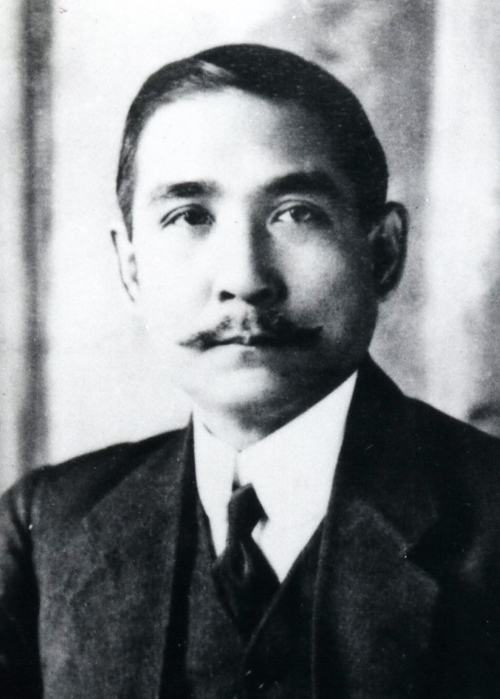
Sun Yat-sen (1866–1925), also known as Sun Wen and Sun Zhongshan, was born in Xiangshan, Guangdong. Trained in medicine in Hong Kong, he turned toward revolutionary organizing, founding the Revive China Society in 1894 and helping establish the Tongmenghui in 1905. His political program became associated with the Three Principles of the People: nationalism, democracy and people’s livelihood. [1]
His work crossed oceans. Chinese communities abroad offered meeting places, personal connections and financial support. In San Francisco, Chee Kung Tong became an important part of that network—a place where revolutionary organizing met the practical strength of an established brotherhood. [3][6]
以義相扶 · 同心籌餉 · 共襄革命
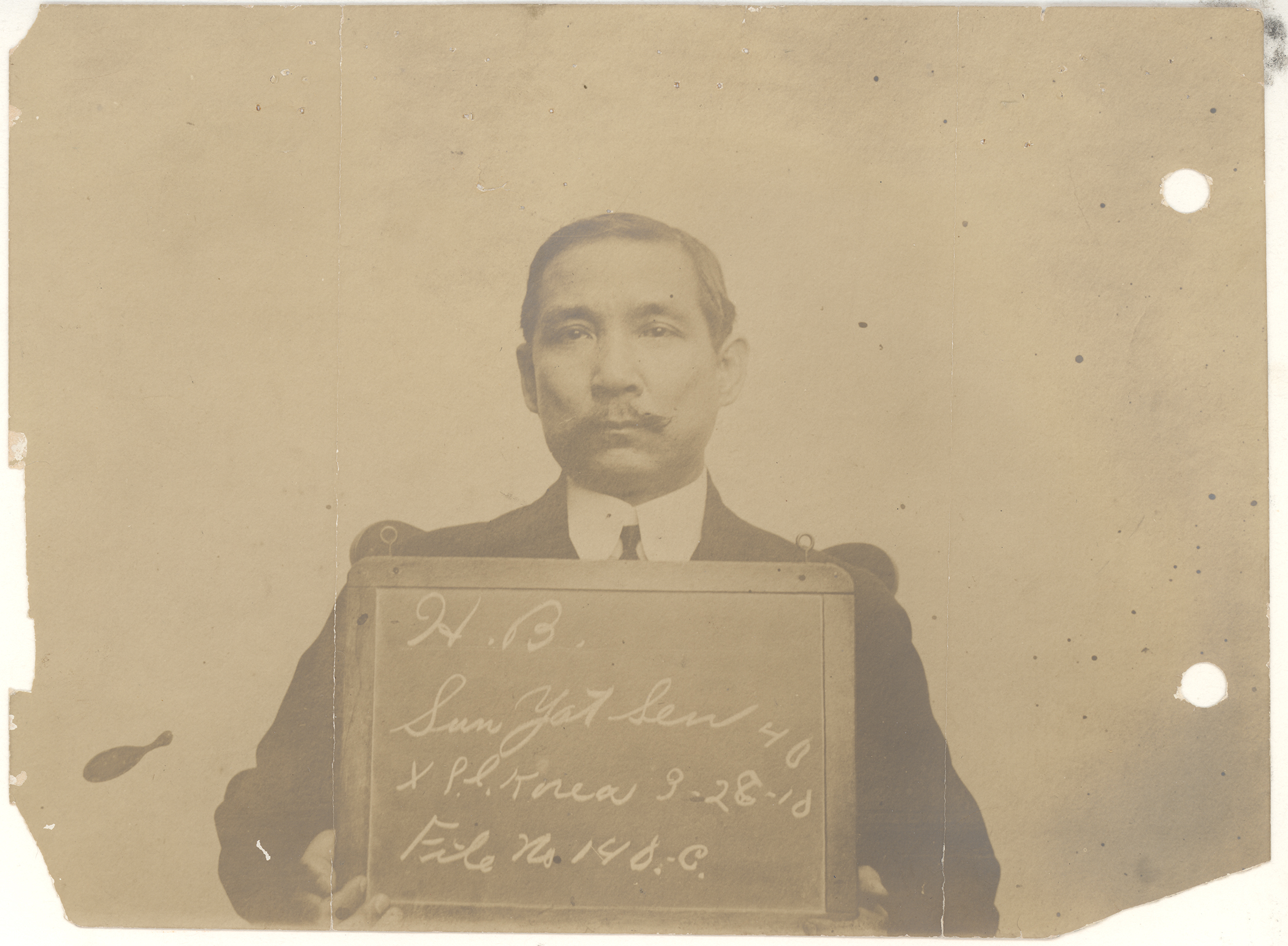
Sun joined Hongmen in Honolulu in early 1904. When he reached San Francisco that April, immigration authorities detained him. His case unfolded under the restrictions of the Chinese Exclusion era; the official exhibition record documents an appeal and the reversal of his deportation order on April 28. [2]
In his historical recollection, Feng Ziyou credits lodge leaders Wong Sam Duck (黃三德) and Tong King Chong (唐瓊昌) with arranging legal assistance and appealing to Washington on Sun’s behalf. Protection meant mobilizing relationships, advocacy and resources when his freedom of movement was at stake. [4]
A government documentary on the San Francisco headquarters also records Hongmen brothers’ role in safeguarding Sun in America and helping his revolutionary fundraising. [3]
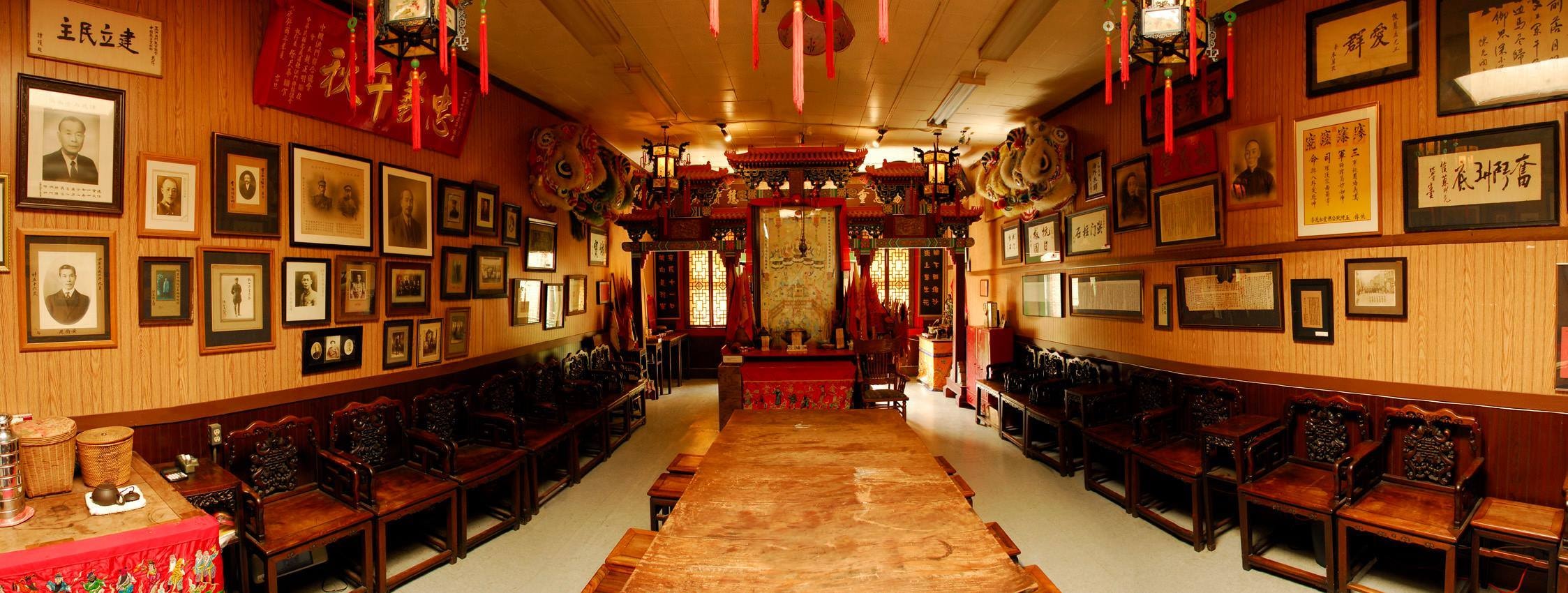
Our lodge provided Sun with more than a gathering place. CNA’s reporting describes a small third-floor room at 36 Spofford Street where he lived, worked and took his meals. It records the preservation of desks, chairs and a bowl associated with his stay. Within the lodge, he had a modest space to sleep and continue his work. [5]
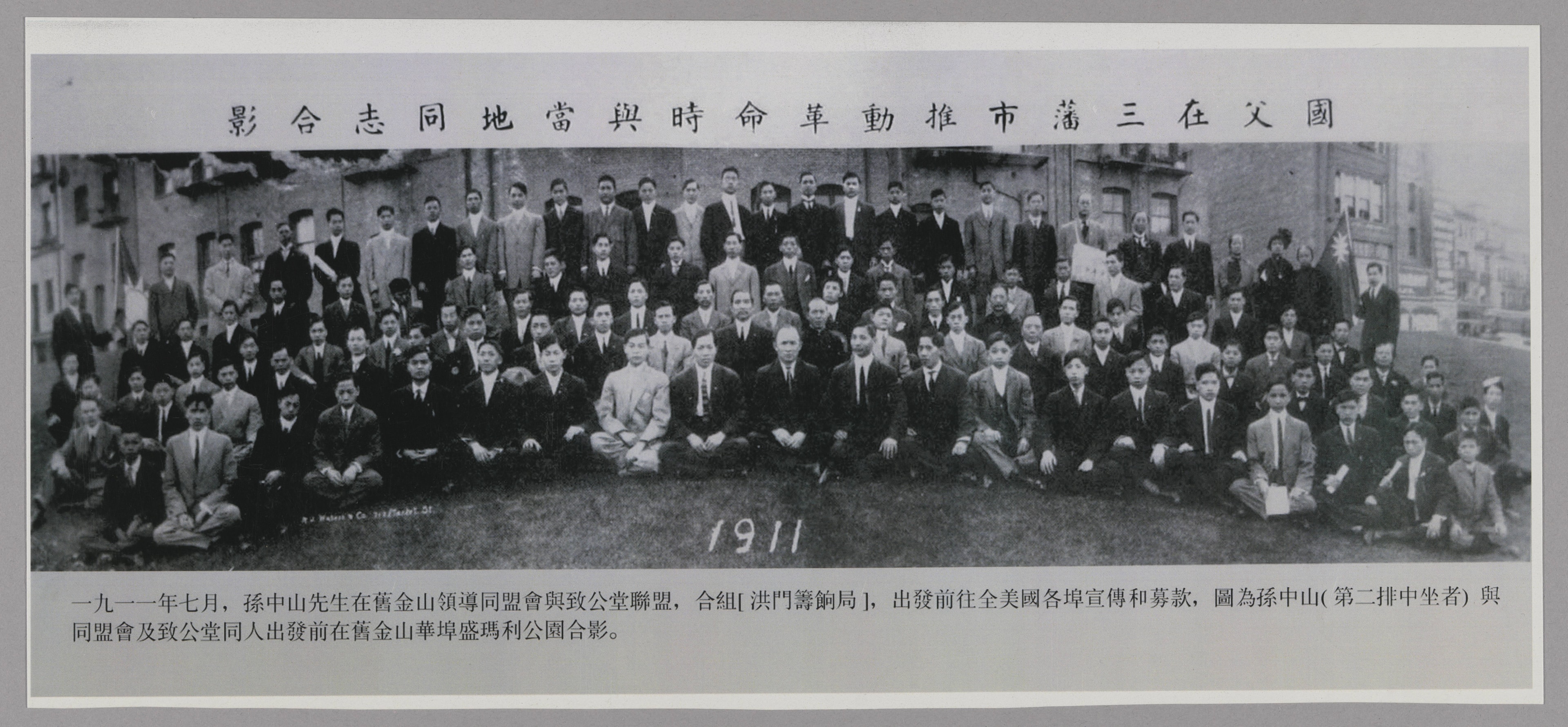
The lodge’s working spaces served a broader purpose, too. The official documentary identifies Sun’s office on the second floor, while the 1911 historical record places the Hongmen fundraising bureau on the second floor at 38 Spofford Street. His living quarters and the bureau belonged to the same story of hospitality and organization, with distinct roles in daily life and the revolutionary effort. [3][6]
The San Francisco lodge helped turn overseas commitment into an organized fundraising effort.
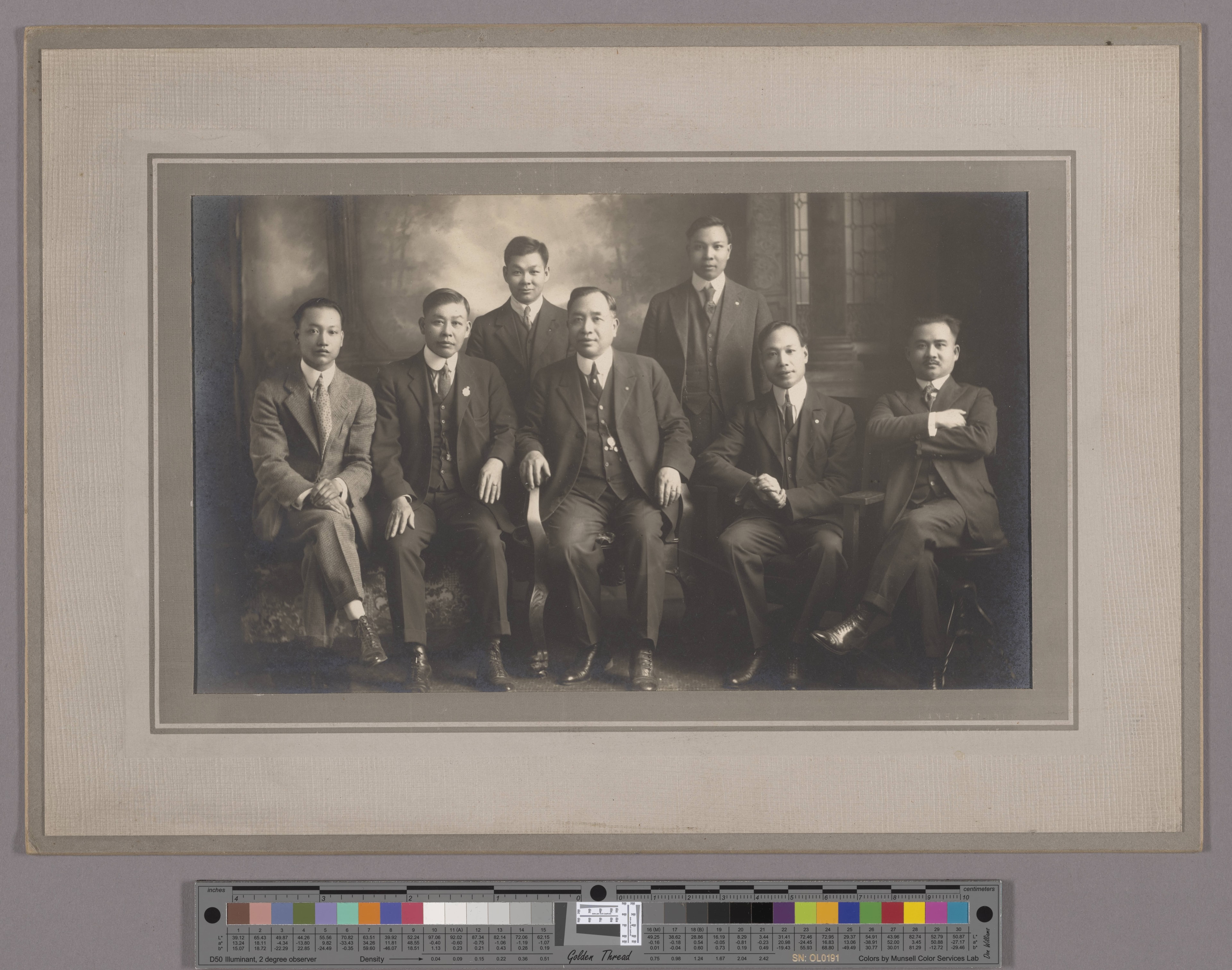
In the summer of 1911, Chee Kung Tong and Tongmenghui members organized the Hongmen Fundraising Bureau in San Francisco, also publicly known as the Kwok Min Charity Bureau (國民救濟局). The historical annals connect its establishment with Sun’s proposal and describe fundraising journeys by Sun and fellow organizers across the United States. [6]
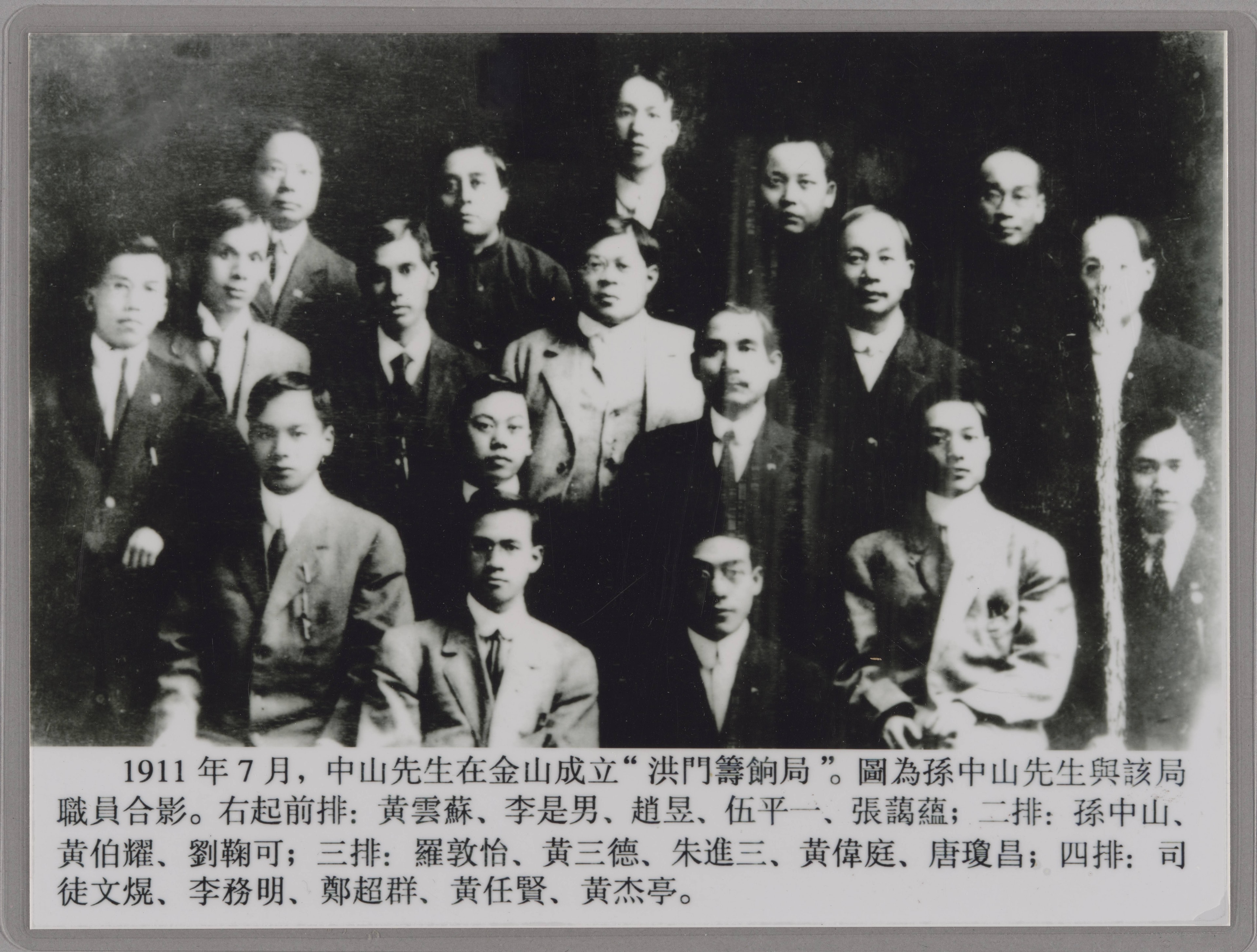
The bureau’s charter, dated July 21, 1911, shows how seriously that responsibility was treated. It assigned officers, accountants and auditors; required receipts; and directed funds to the revolutionary cause. These were the arrangements of the historic 1911 campaign. [7]
Organizers reached out to overseas Chinese communities, bringing individual contributions into a shared effort.
Donation books, receipts and designated accounting roles made contributions traceable. Contributors could send representatives to inspect the accounts.
The charter directed money into banked revolutionary funds and set rules for necessary bureau expenses. Brotherhood was expressed through disciplined service.
The bureau’s original charter is preserved in Sun’s collected works. [7]
The Memorial Hall / AIT exhibition identifies these 1911 gold notes with the San Francisco Chee Kung Tong fundraising effort. Surviving documents such as these reveal the material side of a movement often remembered only through its leaders. [2]
Behind every certificate stood an appeal, a contribution and a network of people prepared to support change. Together with the bureau photographs and charter, the notes make the lodge’s role tangible.
Read the 1911 charter ↗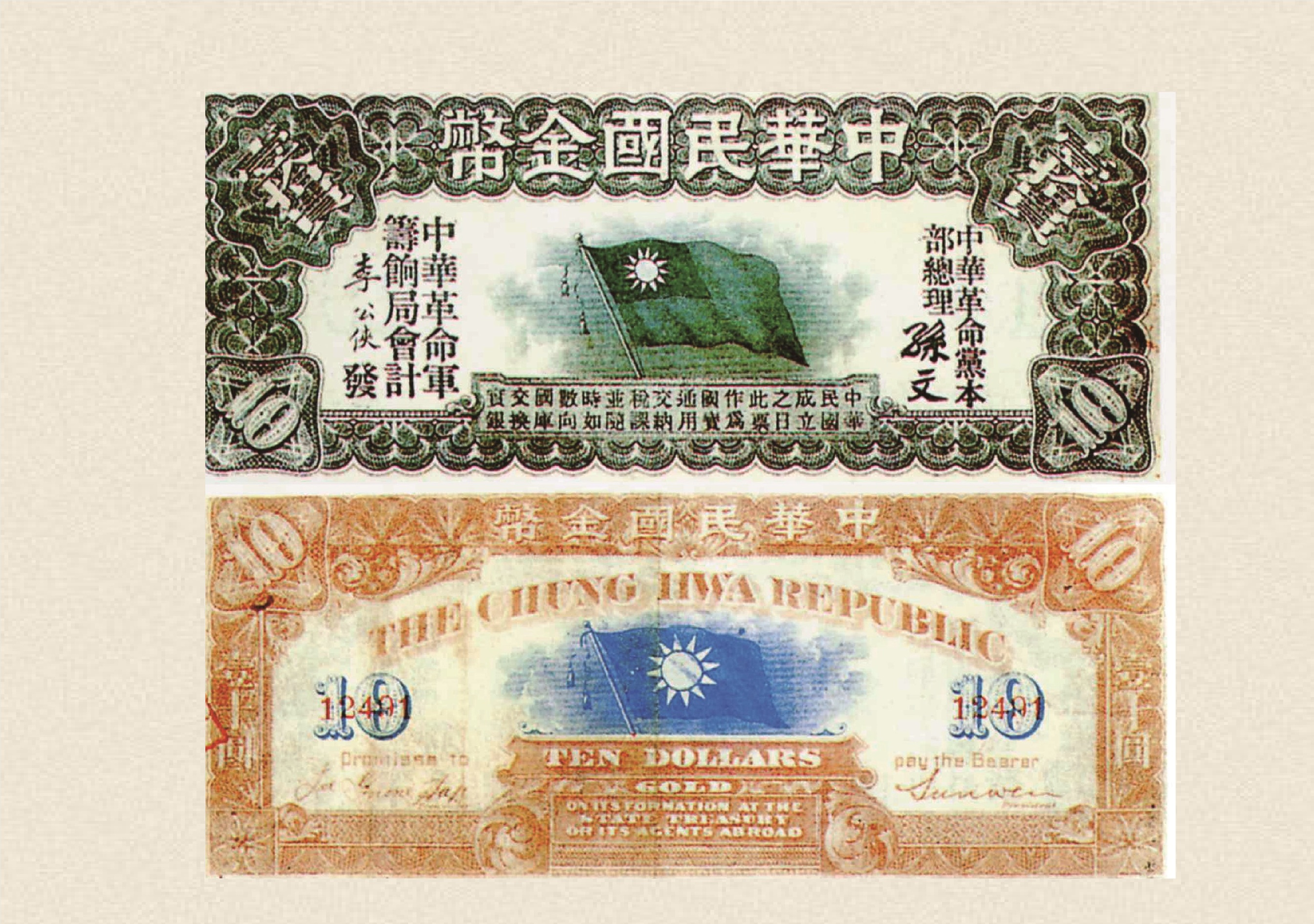
Membership in Honolulu is followed by the San Francisco immigration case and community assistance. [2][4]
San Francisco becomes a center for organized support; the bureau’s charter is dated July 21. [6][7]
The Wuchang Uprising begins on October 10, 1911. Sun takes office as provisional president of the Republic of China on January 1, 1912. [1]
Sun yields the presidency to Yuan Shikai in 1912 and continues his political work. He dies in Beijing on March 12, 1925. [1]
We remember this connection through our headquarters, historical collections and commitment to the San Francisco community.
Offering shelter. Standing beside someone in difficulty. Giving resources to a shared purpose. Sun Yat-sen’s connection to our lodge reminds us that history is made through the actions of a community—and that service remains the heart of our work.
承先啟後 · 守望相助 · 服務社區
Our San Francisco lodge →History & legacy →Primary documents, institutional collections and reporting behind this page. Archival photographs are credited individually; the headquarters photograph comes from our chapter collection.